Real estate capital raising and syndication
Cardone Capital pays about 20,000 investors every month and sent out $8.3 million in the previous month. That is one view of what a large real estate raise looks like once it is running. This hub collects interviews with sponsors, lenders and family offices on how deals get funded. Connor Group has made 241 apartment acquisitions over 32 years and lost money on eight. A hotel team deployed about $75 million of equity in a year and typically uses 65% leverage.
The written answers cover the mechanics of a syndication. The sponsor acts as general partner and investors come in as limited partners. A preferred return is often quoted around 8% and is not a guarantee. Other answers cover acquisition fees, what happens when a deal goes bad, and how to raise for mobile home parks, self storage and build-to-rent. Securities counsel should review any raise. The guide, How to Run a Real Estate Syndication Raise, ties the steps together.
26 videos, 23 questions and 1 guide on this topic.
Guides
- How to Run a Real Estate Syndication RaiseMost real estate raises stall for the same reason.
Videos with summaries and takeaways
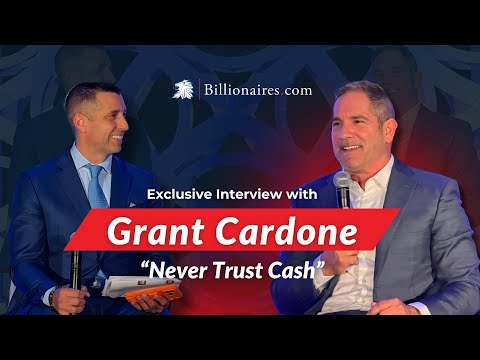
- Grant Cardone on Raising Capital, Real Estate and BitcoinGrant Cardone explains why Cardone Capital raises money from its own social media audience instead of a large bank fund.
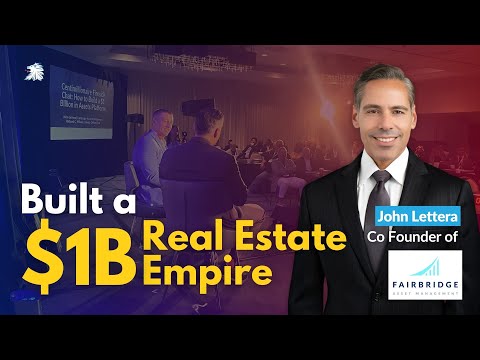
- How John Built a $1 Billion Real Estate Lending PlatformInstitutionalizing the platform was what moved Fairbridge Asset Management past $1 billion, according to John, its co-founder and partner.
- Ultra-Wealthy Investor Q&A: Family Office Deal Preferences and Crisis PricingFamily offices lean toward direct deals, according to Richard C.
- Real Estate Investor Mandate: Logistics and Flex for YieldIrwin runs the mandate for a third generation real estate family office with $850 million in assets under management.
- Real Estate Investors Share How They Raised $20M+ in EquitySelf storage, office and hotel sponsors on one Family Office Super Summit panel describe how they find deals and fund them.
- How Five Real Estate Firms Raise Capital for DealsFamily office data opens this panel.
- Real Estate Wealth: The BRRR Method and the 1% RuleLloyd, president of the Los Angeles County Real Estate Investors Association, describes a simple path for new real estate investors.
- Why Top Investors Favor Relationships Over BrokersA panel at the Beverly Hills Investor Club Summit was asked whether investors should work a short list of brokers or build deal flow through reputation.
- Real Estate Deal Structures, Private Credit and Risk: Investor PanelA private lender on the panel showed how sponsors close the equity gap on a $100 million deal.
- Building a $5 Billion Luxury Apartment Firm: Larry of Connor GroupLarry started the Connor group in 1991 with no real estate background.
- How Grant Raised $300 Million Through Social MediaGrant says his firm raised over 300 million dollars in 25 months by speaking directly to retail investors on Instagram, Facebook, LinkedIn, Snapchat and TikTok.
- Fireside Chat: $11B in Deals and Senior Housing With the ChurchPatrick, a family office founder with about $11 billion in career transactions, describes a senior housing program built with the Catholic Church.
- Diversified Commercial Real Estate Investor Mandate: Jim InterviewA Chicago single family office buys middle market real estate between 10 million and 75 million dollars in assets.
- How to Get a Return on Your Time at a Private Investor ExpoRichard C.
- Multi-Family Office Mandate: Opportunity Zones and Private FundsA multi-family office in Sioux Falls, South Dakota, invests directly in private real estate and private equity.
- Multi-Family Office Mandate: Real Estate Lending and FeesDamien runs a New York multi-family office whose investors are all non-US families, mainly from Europe and Latin America.
- Real Estate Equity and Debt Co-GP Mandate: Deal Size and MarketsVanessa works on the capital markets team at a real estate investment firm with 20 billion plus in assets.
- Where Real Estate Is Headed in 2025, With Joe of Keller WilliamsJoe, co-founder of Keller Williams, lists seven local influences he checks on any piece of real estate.
- Multifamily Value-Add Investor Mandate: What Dylan Looks ForDylan invests only in multifamily, and he looks for existing value add apartment buildings of 75 to 300 units.
- Community Bank CEO on Commercial Real Estate Loan CriteriaJohn is CEO and founder of a community bank in Overland Park, Kansas, in the Kansas City area.
- Student and Workforce Housing Investor Mandate: California Family OfficeA new student housing market needs at least 100 units and 300 beds before Rohan's family office will look at it.
- Student and Workforce Housing Investor Mandate InterviewRohan leads a family office based in California that invests in student and workforce housing, from the middle United States out to California.
- Building a Real Estate Fund After the NFL: David of Reed PartnersDavid runs Reed Partners, a real estate firm and fund that buys assets across the country.
- Real Estate Investment Tax Strategies to ResearchRichard C.
- Multifamily, Logistics and Private Credit: An Investor MandateThe speaker built a real estate background at GE Capital, then chose to focus on one market.
- Family Office Investor Mandate: Sun Belt Real Estate and Direct DealsChristian describes his team as allocators who also focus on operational and direct deals.
Questions answered
- How do I create a real estate investor presentation?Build it around the investor, keep it short, and make it look clean.
- How do I raise capital for a hotel purchase?Many hotel buyers fund the equity through joint ventures with family offices and wealthy individuals, then add debt on top.
- How do I raise equity for a ground-up development?Size the equity check first, then decide how much you raise yourself and how much a partner covers.
- How do I raise money for my first apartment deal?Start with the deal, because a good one is far easier to fund than most first-time sponsors expect.
- How do I raise money for opportunity zone projects?Start with a project that is already well built, then put it in the zone and show investors the real numbers.
- What do 1031 exchange investors look for in a syndication?1031 exchange investors look for a deal they can understand quickly, a structure that fits their exchange deadlines, and a sponsor who clearly knows how exchanges work.
- How do I build an investor list for real estate deals?Start with people who already invest in deals like yours, then record what each one wants.
- How do I find passive investors for syndication deals?Start by putting out useful content so passive investors come to you, then double down on what gets the strongest response.
- What do LPs want to see in a sponsor's track record?LPs want a sponsor they can count on.
- How can I raise capital for land development?To raise capital for land development, I start with the structure.
- How do I raise capital for a mobile home park?Raise capital for a mobile home park by teaching investors why the asset class works before you ask anyone for money.
- How do I raise capital for a self-storage acquisition?Find the property first, then raise the equity against it.
- How do I structure a real estate syndication for investors?Start with a clear split between sponsor and investors.
- Is an acquisition fee in a syndication fair to investors?It can be fair, but only if the fee is modest, clearly disclosed and the sponsor still has real money at risk.
- What happens to investors when a syndication deal goes bad?When a syndication goes bad, distributions usually stop first.
- What is the typical GP LP split in multifamily syndication?There is no single standard, but a common pattern is a preferred return to the investor first, often around 8%, then a split of the back end profit.
- What is a capital stack in commercial real estate?A capital stack is the full set of money that pays for a commercial property, ranked by who gets repaid first.
- What is a preferred return in a real estate syndication?A preferred return is a stated annual return, often quoted as a percentage like 8%, that investors in a syndication get paid before the sponsor shares in profits.
- How much should a real estate sponsor charge in fees?A common structure I see is a 6 to 8 percent preferred return, then 20 to 25 percent to the sponsor, with higher splits above a second hurdle.
- How much of my own money should a sponsor co-invest?A sponsor should put in an amount that is meaningful to them, and there is no universal number.
- What is a joint venture equity partner in real estate?A joint venture equity partner in real estate is a partner who puts up equity capital for a project while another party, the sponsor, finds the deal and runs it.
- How do I raise capital for build-to-rent communities?Start with the exit.
- What is the difference between a syndication and a real estate fund?A syndication raises money for one specific property or deal.
- How do I close a funding round?I close a funding round by focusing on investors who fit the opportunity and moving each interested prospect through clear, consistent follow-up.
- What documents do investors request during due diligence?Prepare a clear, organized package covering your operations, investments, compensation, team, and track record.
- How do I raise capital for my business?I raise capital by building a repeatable system for attracting the right investors, establishing credibility, and developing relationships before asking for money.
- How do I raise money with no track record?I would raise money without a track record by focusing on credibility, relationships, and evidence of my ability to execute.
Tools for this topic
Common questions
What is a preferred return in a real estate syndication?
It is a stated annual return, often quoted around 8%, that investors are paid before the sponsor shares in profits. It is not a guarantee, and the payment can be delayed or missed if the property does not produce enough cash.
What is the typical GP LP split in multifamily syndication?
There is no single standard. A common pattern is a preferred return to the investor first, often around 8%, then a split of the back end profit, and larger institutional deals can pay the sponsor closer to 20 or 30%.
What happens to investors when a syndication deal goes bad?
Distributions usually stop first, then the sponsor tries to fix the deal with more time, new capital or a sale. Lenders get paid ahead of equity investors, so losses fall on the investors.