
Real estate capital raising and syndication
How do I raise money for my first apartment deal?
Short answer
Start with the deal, because a good one is far easier to fund than most first-time sponsors expect. Then go to the people who already trust you, give your company a name that says what it does, and decide your hold period before you pitch. Many sponsors talk to securities counsel about how they speak with investors before going public.
Fix the deal before you chase investors
Most first-time sponsors tell me they cannot find capital. When I look closer, the deal is usually the issue. Before you call a single investor, ask yourself whether other people would fight to get into this deal. If the honest answer is maybe, work on that first.
John runs a real estate credit platform and explains why a strong deal rarely struggles to find money.

Summary and key takeaways from this video
"If you have a good deal, it is not difficult to raise capital. There should be zero capital constraints if you have a good transaction."
John also said that when capital is hard to find, the first place to look is your deal. I agree with that. Your sourcing, your numbers and your market knowledge matter more than any slide in your deck.
Start with people who already know you
John's own start is a useful picture. He put $20,000 to work in small hard money deals, and the money that came in was mostly from friends and family. For the first 10 years he would not do a deal outside the Bronx, because it was the place he knew. You can borrow that idea. Pick a market you understand well and start with people who already trust you.
Do not expect strangers to wire money on a first deal. A small, warm circle that grows with each deal is a normal way to build a track record.
Give your company a name that does the work
A lot of new sponsors pick a name that means nothing to an investor. I have seen Greek gods, initials and made-up words. Nobody asks what they stand for, so the name does no work.
I walk through a motel conversion group whose name told people nothing until we changed it.

Summary and key takeaways from this video
That group was buying ugly motels and converting them into apartment studios. We renamed the platform Motel to Apartment Conversions LLC. Now anyone who reads the name knows the strategy. I also want the brand to look polished and professional, because investors often form a first impression from how you look.
Decide your hold period and your terms
Investors will ask how long their money is tied up. Have an answer you can defend. Think it through before the first call.
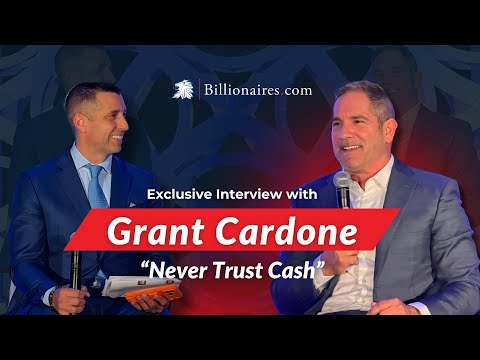
Grant explains why he sets long hold periods and avoids money with short terms and extensions.
Summary and key takeaways from this video
Grant said he would never put his money in a real estate deal where the sponsor promised an exit in three years. He also avoids short fund terms with extensions, because he does not want a gun to his head on the asset. That is his view, and yours may differ. The point is to pick terms that fit the business plan and explain them plainly.
Last, many sponsors talk to securities counsel early.
More from my talks
If you have to reach beyond your warm circle, do not send a cold email asking for money. A cold contact owes you nothing, not a reply and not their time, and their time is worth even more than their money. Give them a reason to answer by adding value first. I would also keep your first raise tied to one named deal. I have watched sponsors raise a lot of capital deal by deal, then stall when they tried a blind pool, because people did not know what they were putting their money into.
"I also think it's really important to raise capital by adding value first. When you email someone and it's cold, they don't owe you a response, they don't owe you anything, right? They don't owe you their time. Their time is worth even more than their money. And so why should they help you? Why should they respond? Why should they get on a call with you?."
"And we have two that have raised a lot of capital, sometimes hundreds of millions of dollars, deal by deal. And then they try to raise a fund and they stall out after a couple million dollars, even on a $10 million fundraise, because it's a blind pool and people don't know what they're putting their money into."
Facts from this talk
- John put $20,000 to work in small hard money deals when he started, and early money came mostly from friends and family.
- A group buying ugly motels to convert into apartment studios was renamed Motel to Apartment Conversions LLC so the name explained the strategy.
- Grant believes real estate syndications should run a minimum of 10 years and says he would not invest where a sponsor promised an exit in three.
Sources
From Richard C. Wilson's Centimillionaire Strategies YouTube channel: Growing Platforms, Structuring Deals & Raising Capital in Real Estate Credit, Branding & Positioning for Investors | Ep 3, Billionaire Fireside Chat: Grant Cardone on Raising Capital, Real Estate & Bitcoin. Quotes come from the video captions, lightly edited for readability. Figures are the speakers' own estimates and experience.
General education only. Not legal, tax or investment advice.
Talk to a securities attorney to explore options around public offering communications, investor eligibility rules and offering documents. Do not use AI to write your own legal agreements.
What to do next
- Write down why your deal is better than the 20 others an investor will see.
- List the friends, family and past colleagues who already trust you.
- Rename your company so the name says what you do.
- Set your hold period and explain the reason in two sentences.
- Consider talking with securities counsel before you speak publicly about the offering.
Follow-up questions
How much money should I try to raise first?
I cannot give you a number for your deal. John started with $20,000 in small deals and built up from there. Size the raise to the deal and to the circle you can reach today.
Should I advertise my first apartment deal on social media?
Grant uses social media to reach a large audience, but he has a big following and a track record. Many sponsors talk to securities counsel before they advertise an offering.
Does my company name really matter to investors?
I think it does. A name that tells people what you do and where you do it makes you easier to remember and easier to refer.
Related questions
- What do LPs want to see in a sponsor's track record?LPs want a sponsor they can count on.
- What is a capital stack in commercial real estate?A capital stack is the full set of money that pays for a commercial property, ranked by who gets repaid first.
- How much of my own money should a sponsor co-invest?A sponsor should put in an amount that is meaningful to them, and there is no universal number.
- What is a joint venture equity partner in real estate?A joint venture equity partner in real estate is a partner who puts up equity capital for a project while another party, the sponsor, finds the deal and runs it.
Work through it with the one-liner builder. See all real estate capital raising and syndication resources.