
How do I prepare a DDQ for institutional investors?
Short answer
Build one master DDQ before any institution asks for it. Expect 30 to 70 questions. Answer them fully and honestly, add a few graphs and credible stats, then review the whole thing. Keep that master ready so you can adapt it for each investor. It also helps you be open about risks. Many sponsors talk to a securities attorney about reviewing the final version.
Build the master version before anyone asks
Every fund manager and sponsor I work with should have a master due diligence questionnaire. Almost nobody does. The first time a large investor sends theirs, you do not want to be starting from a blank page.
"So, in the institutional world, you have to have a DDQ or you have to complete their due diligence questionnaire. And there'll be 30 to 70 questions."
When I fill one out from scratch, it takes me 6 to 10 hours. Then I review it. That is a real chunk of time, but you spend it once. After that you adapt the master instead of starting over.
In this workshop clip I explain why a master DDQ matters and how to put one together efficiently.

Summary and key takeaways from this video
What to put in the answers
Answer every question fully. Put in a couple of graphs and credible stats. Show that you have no style drift. If your CIO left, show what happened when you replaced them and that performance did not nose dive. Institutions look for exactly these things.
Then add the sharp questions the investor should be asking but may not know to ask. Maybe they have gone over your materials with their team three or four times and are not sure what else to raise. They may not know much about Bitcoin or data centers or dry cleaners. You are the expert, not them. Write down the questions you would ask a peer before trusting them with your money, and answer those too.
This helps you be open about risks. You can show that a risk is not only in the PPM and the pitch deck. It is also in the DDQ, and you said it in the meeting. Many sponsors talk to a securities attorney about how to word this.
The document only works if the platform behind it is real
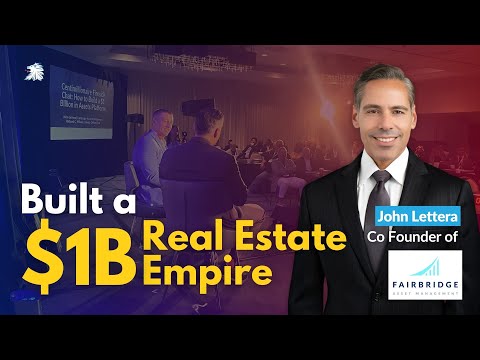
A strong DDQ cannot cover for missing pieces. My friend John told me what happened when institutions first came knocking on his door. He did not yet have an audit, third party advisers, the right legal counsel or a fund administrator. Learning all of that took time and money.
John explains the institutional platform he had to build, and why he says institutions will not invest without it.
Summary and key takeaways from this video
He also mentioned that third party due diligence firms review managers, and their requirements can matter. So before you polish the questionnaire, check that your audit, administrator and legal documents would hold up when someone reads your answers against them.
Who asks for one, and why to stay a half step ahead
In my 18 years, the investors I have met who required a DDQ were generally institutions worth $300 to $500 million or more. Many institutional investors ask for one. Smaller investors often appreciate getting one too.
I like to tell people to be a half notch above where they need to be. If a big investor shows up unexpectedly, you are ready for that moment and not caught flat footed.
This episode covers the signs of institutional quality, which is the standard your DDQ should reflect.

Summary and key takeaways from this video
More from my talks
A master DDQ also helps smaller investors, not only institutions. Nobody I know who is raising capital $50,000 at a time has one, yet those investors ask all the time what else they should be asking. They do not know what to request next in their own due diligence. When you hand them the same questionnaire the big institutions require, you give them a checklist they could not write themselves. That builds trust at the high net worth level and makes you look like the professional in the room.
"For example, nobody raising capital $50,000 at a time that I know of has a master due diligence questionnaire, but those investors ask all the time, what else should I be asking? I don't know what I should be asking next in my due diligence. Well, having what all the institutional investors require would help you at that high net worth level."
Facts from this talk
- An institutional DDQ typically has 30 to 70 questions.
- Filling out a DDQ from scratch takes Richard 6 to 10 hours before the review pass.
- John says institutions will not invest without an institutional platform, including audits, legal counsel and a fund administrator.
Sources
From Richard C. Wilson's Centimillionaire Strategies YouTube channel: The #1 Strategy to Attract Investors Due Diligence Advantage | Capital Raising Workshop, How to Build a $1B Real Estate Platform | John Lettera & Richard C. Wilson, Becoming Institutional Quality | Ep. 17. Quotes come from the video captions, lightly edited for readability. Figures are the speakers' own estimates and experience.
General education only. Not legal, tax or investment advice.
Talk to a securities attorney to explore options around DDQ review, risk disclosure wording and offering documents. Do not use AI to write your own legal agreements.
Where to start
- Block out a day to draft a master DDQ from scratch.
- Add graphs and credible stats, and address style drift and key person changes.
- Add the sharp questions an investor should ask but may not know to ask.
- Check that your audit, administrator and legal documents match your answers.
- Many sponsors talk to a securities attorney about reviewing it before sending it out.
People also ask
How many questions are in a typical institutional DDQ?
In my experience there are usually 30 to 70 questions. Each institution has its own format, which is why a master version saves time.
Do smaller investors ask for a DDQ?
Rarely, in my experience. The investors I have met who required one were generally worth $300 to $500 million or more. Many smaller investors still appreciate receiving one.
Why include questions the investor did not ask?
It helps you be open about risks. It also helps investors who are not experts in your niche know what to ask. Many sponsors talk to a securities attorney about the wording.
Related questions
- How do sovereign wealth funds invest in private deals?Sovereign wealth funds sit among the institutions that write 10, 30, 50 or even 100 million dollar checks at a time.
- How do fund managers use Preqin to find institutional LPs?Fund managers use Preqin as a paid database to build a target list of institutional LPs, filtering by investor type, strategy and region.
- How do institutions think about fund size and concentration limits?Institutions usually want to own a modest slice of any one fund and avoid putting too much into a single manager.
- How do university endowments allocate to real estate sponsors?Most university endowments put money into real estate through their alternatives bucket, which is a large share of their total portfolio today.
Work through it with the data room checklist. See all institutional investors resources.