
What track record can I claim as a deal team member?
Short answer
Many sponsors describe the part of a deal they personally did, in the role they actually held. Say what you sourced, underwrote, raised or managed. It helps to keep the whole team's results separate from your own. If your own record is thin, I tell people to align with partners who have the record, and to be clear about who did what. Many sponsors talk to a securities attorney about how to word this.
Claim what you did, in the role you held. If you were on the deal team, say so and say what your piece was. Maybe you found the deal, built the model, raised the equity or ran the asset after closing. Investors will ask you about it, so you want every line to hold up under questions.
Separate your role from the team's results
A deal can close, perform and exit without you being the person who made it happen. Investors know this. A good investor will ask who did what, and a vague answer costs you more than a modest one. I would write down each deal you touched, your exact role, and the outcome. Then keep the outcome of the deal separate from your contribution to it.
I am not a lawyer. Many sponsors talk to a securities attorney about how to present past deals before they put them in a deck.
What to do when your own record is thin
Many people reading this are earlier in the game than they would like. I have a direct answer for that. In one of my podcast episodes I put it this way.
"If you don't have the track record, then you need to align yourself with those who do have the track record and have successfully executed on the business plan."
That means a real partner, not a borrowed name. The person with the record stands behind the plan, and you are honest about your part in it. Investors then see both sides clearly.
This episode covers how focus, competence and a proven thesis build investor confidence when you raise capital.
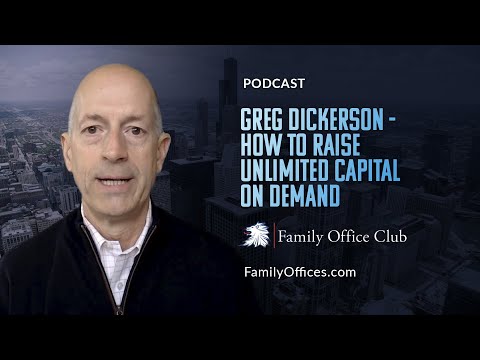
Summary and key takeaways from this video
Team and transferable skills count too
A track record is not only a list of deals. In a panel discussion I hosted, one speaker described raising from physicians who knew little about real estate. They were investing in her. She had been an attorney, and she showed how skills from that career carried over. The point is that credibility can come from your background, as long as you tie it to the work.
Panelists discuss how a green founder can attract attention by stressing the team and transferable credibility.

Summary and key takeaways from this video
Another panelist said some of the best stories came from people who had an exit before in the same space and were getting the team back together. That feels lower risk to an investor. If that is you, say it plainly.
How long a record investors want to see
Institutional allocators set their own bar. In a discussion on multifamily offices, one allocator said they did not want to fall much below 150 million dollars in assets and wanted to see a four or five year track record. They said it was evidence you can implement what you claim you will do. Another panelist backed small managers with short histories and did very well. So the bar varies by investor.
Allocators debate how much history they need from a newer manager and why small firms can still win.

- List each deal and your exact role in it
- Keep deal results separate from your contribution
- Add partners who have the record you lack
- Show transferable skills that tie to the work
What I have said on this at our events
One practical point on building a record from zero. I tell people to start small, because starting small lets you build your processes, your investment contracts, your momentum and your track record at the same time. Later you can tell a larger investor this is your number four deal instead of your first. The more sophisticated the investor, the more they expect you to have your act together, or they will not take the second meeting. Your first small deals are part of the record you can honestly claim.
"By starting small you build your processes, your investment contracts, your momentum, your track record."
On the record
- One multifamily office panelist said they wanted to see a four or five year track record before backing a newer manager.
- On the Green Founder panel, a former attorney raised from physicians by showing credibility and transferable skills rather than real estate history.
- I advise people without a track record to align with partners who have successfully executed the same business plan and thesis.
Sources
From Richard C. Wilson's Centimillionaire Strategies YouTube channel: Expert Insights on Raising Capital from Multifamily Offices, The Best Pitches These Investors Ever Saw - And What Every Green Founder Should Know, How to Raise Unlimited Capital On Demand - PODCAST - Family Offices & Family Office Club. Quotes come from the video captions, lightly edited for readability. Figures are the speakers' own estimates and experience.
General education only. Not legal, tax or investment advice.
Talk to a securities attorney to explore options around track record wording, investor communications and offering documents. Do not use AI to write your own legal agreements.
What to do next
- 1Write a one-page list of every deal you touched with your specific role and dates.
- 2Mark which results were yours and which belonged to the wider team.
- 3Identify one or two partners with a proven record in your strategy.
- 4Consider talking to a securities attorney about how you describe past deals.
- 5Practice answering the question, what exactly did you do on that deal.
Follow-up questions
Can I use my employer's deal results as my track record?
Many people describe them as the team's results and describe their own role separately. A securities attorney can talk through how to word this and what to consider before sharing the details.
What if I have no deals yet?
Lean on the team, transferable skills and partners who have a record. Be honest that you are early and show how you will execute.
Do investors need a minimum number of years of track record?
It depends on the investor. One allocator on a panel said they wanted four or five years from a newer manager, while others will back smaller or younger firms.
Related questions
- How do I build credibility as a first-time sponsor?Build credibility by closing smaller deals first and being honest that you are new.
- How do I show traction to investors with only one deal?Treat one deal as the first step of your momentum.
- How do I calculate IRR for my track record?Line up every dated cash flow for each deal.
- Can I use my partner's deals as my track record?Many sponsors show their partner's deals by presenting them as the partner's and saying what their own role was in each one.
Work through it with the how much to raise calculator. See all track record and credibility resources.